Your Complete Drug Reference —
Interactions, Comparisons & Costs
Trusted information on 256 medications across 21 drug classes. Look up uses, dosages, side effects, interactions, and cost-saving options in seconds.
Browse Medications by Condition
Find all approved medications for your diagnosis, with comparisons and cost information.
Anxiety Disorders
Anxiety disorders are the most common mental health conditions, characterized by excessive fear, worry, and related behavioral disturbances. They include generalized anxiety disorder, panic disorder, social anxiety disorder, and specific phobias.
View medications →Bacterial Infections
Bacterial infections are caused by pathogenic bacteria and can affect virtually any part of the body. Common bacterial infections include pneumonia, urinary tract infections, skin infections, and strep throat.
View medications →Chronic Kidney Disease (CKD)
Chronic kidney disease is a long-term condition where the kidneys do not work as well as they should. It is often caused by diabetes or high blood pressure and affects approximately 10% of the global population.
View medications →Heart Failure
Heart failure is a chronic condition where the heart cannot pump enough blood to meet the body's needs. It affects over 64 million people worldwide and is a leading cause of hospitalization in adults over 65.
View medications →Hyperlipidemia (High Cholesterol)
A condition characterized by abnormally elevated levels of lipids (cholesterol and/or triglycerides) in the blood.
View medications →Hyperlipidemia (High Cholesterol)
Hyperlipidemia is an abnormally high level of lipids (cholesterol and triglycerides) in the blood. It is a major risk factor for cardiovascular disease, heart attack, and stroke. It can be managed with lifestyle changes and medications.
View medications →Hypertension (High Blood Pressure)
A chronic condition where the force of blood against artery walls is consistently too high (≥130/80 mmHg).
View medications →Major Depressive Disorder
A common and serious mood disorder characterized by persistent sadness, loss of interest, and impaired daily functioning.
View medications →Obesity
A chronic disease defined by excess body fat accumulation (BMI ≥ 30) that impairs health.
View medications →Pain Management
Pain management encompasses the treatment of acute and chronic pain conditions. NSAIDs are among the most commonly used medications for pain relief, inflammation, and fever reduction.
View medications →Type 2 Diabetes
A chronic metabolic condition characterized by high blood sugar, insulin resistance, and relative insulin deficiency.
View medications →GLP-1 & Weight Loss Medications
Semaglutide, tirzepatide, liraglutide, and more — complete prescribing information, comparisons, and cost data.
Dulaglutide
Trulicity (dulaglutide) is a medication in a class called GLP-1 receptor agonists. It is used alongside diet and exercise to help adults and children aged 10 and older with type 2 diabetes manage their blood sugar levels. Additionally, for adults with type 2 diabetes who have heart disease or risk factors, Trulicity can help lower their risk of serious heart problems like heart attack or stroke.
Exenatide
Exenatide (brand name: Exenatide) is a medication in the GLP-1 receptor agonist class, used to help adults with type 2 diabetes manage their blood sugar levels. It works by mimicking a natural hormone in your body that helps release insulin when your blood sugar is high, thereby improving glycemic control when used with diet and exercise.
Liraglutide
Liraglutide (Victoza) is a type of medicine that mimics a natural hormone in your body. It is prescribed to help adults and children aged 10 and older with type 2 diabetes manage their blood sugar levels, and it can also lower the risk of serious heart problems like heart attack or stroke in adults with type 2 diabetes and existing heart disease. It works by helping your body release insulin when needed and reducing the amount of sugar your liver makes.
Semaglutide
Semaglutide is a once-weekly (or once-daily oral) GLP-1 receptor agonist that lowers blood sugar and reduces body weight by mimicking the natural gut hormone GLP-1. It is sold under three brand names — Ozempic (injectable, type 2 diabetes), Wegovy (injectable, weight management), and Rybelsus (oral tablet, type 2 diabetes) — all manufactured by Novo Nordisk. Clinical trials show it reduces HbA1c by up to 2.0 percentage points and body weight by up to 15% at the highest injectable dose.
Semaglutide
Semaglutide (Ozempic, Wegovy, Rybelsus) is a GLP-1 receptor agonist approved for type 2 diabetes, weight management, and cardiovascular risk reduction. See the full semaglutide monograph for complete prescribing information.
Tirzepatide
Tirzepatide is a once-weekly injectable prescription medication that activates both the GIP and GLP-1 hormone receptors — making it the first dual GIP/GLP-1 receptor agonist approved by the FDA. It is sold as Mounjaro for type 2 diabetes and as Zepbound for chronic weight management and obstructive sleep apnea. Clinical trials show it reduces HbA1c by up to 2.58 percentage points and body weight by up to 20.9% at the highest dose.
Protect your muscle mass on GLP-1 medications
Zova reduces GLP-1 muscle loss from 39% to 8.7% — validated by Lancet Diabetes research.
GLP-1 Guides & Resources
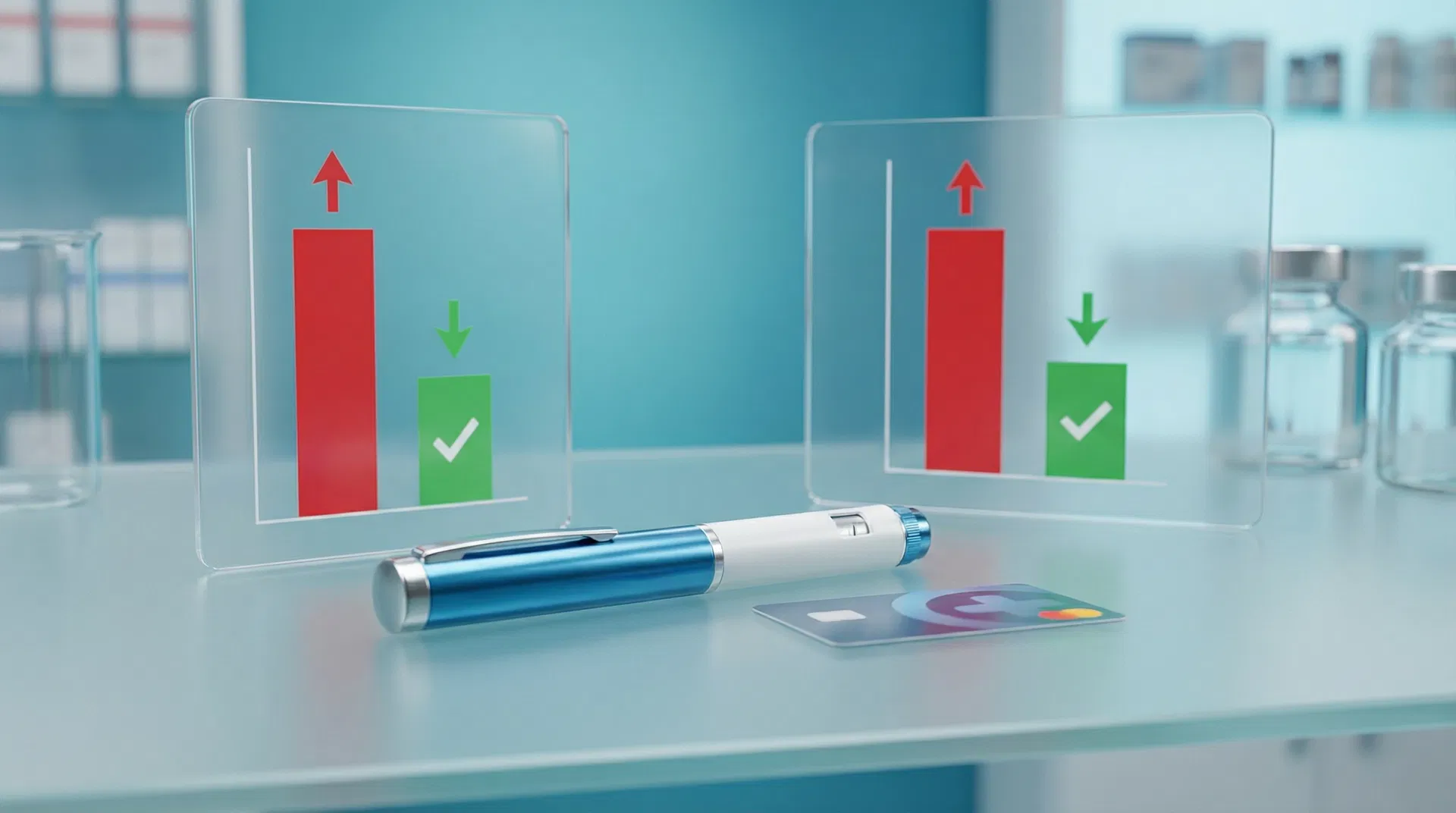
Wegovy vs. Zepbound: Which GLP-1 Weight Loss Drug Is More Effective?
Read more →
Mounjaro vs. Zepbound: Same Drug, Two FDA Approvals — Which Is Right for You?
Read more →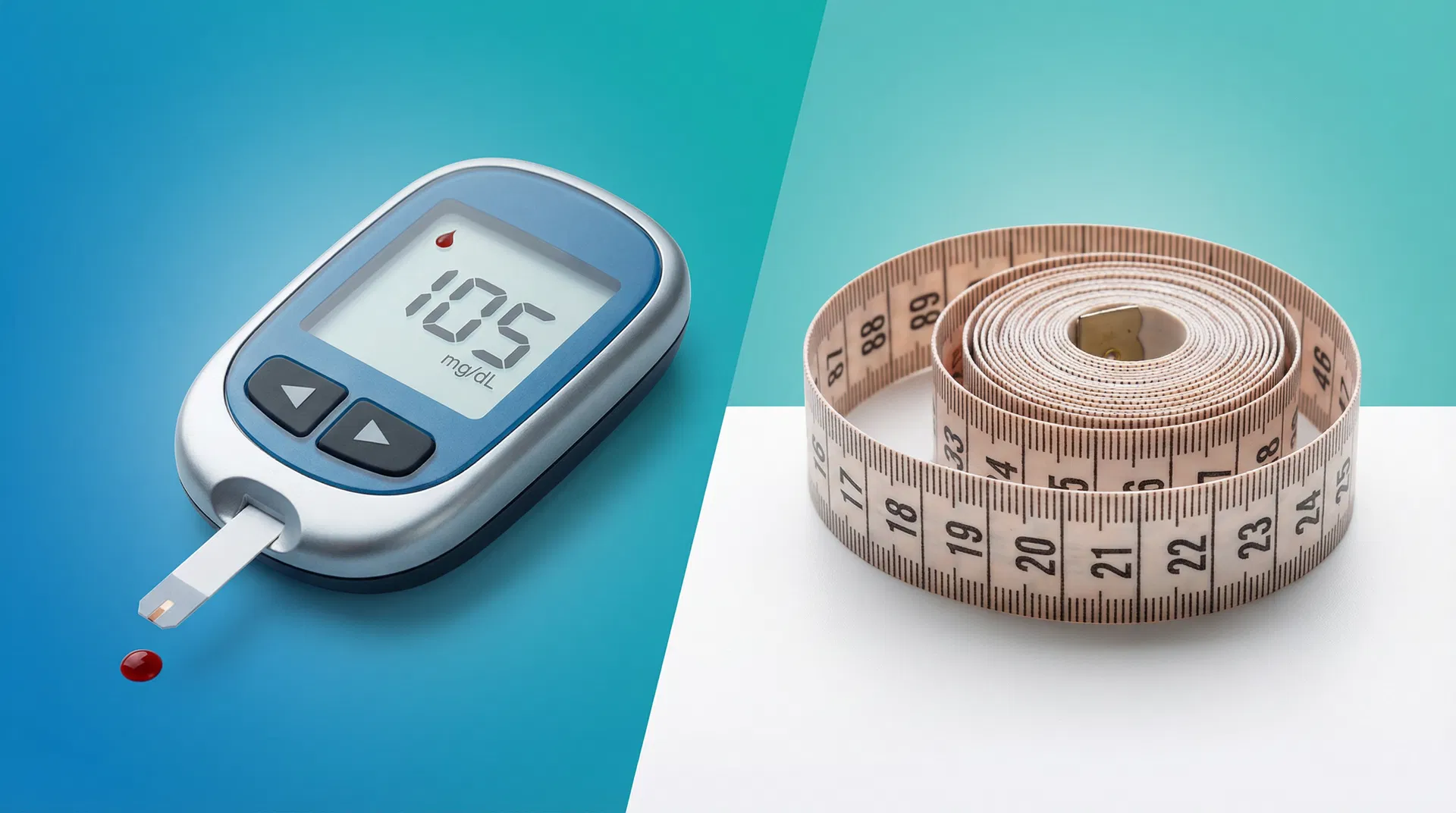
GLP-1 Medications for Type 2 Diabetes vs. Weight Loss: Key Differences
Read more →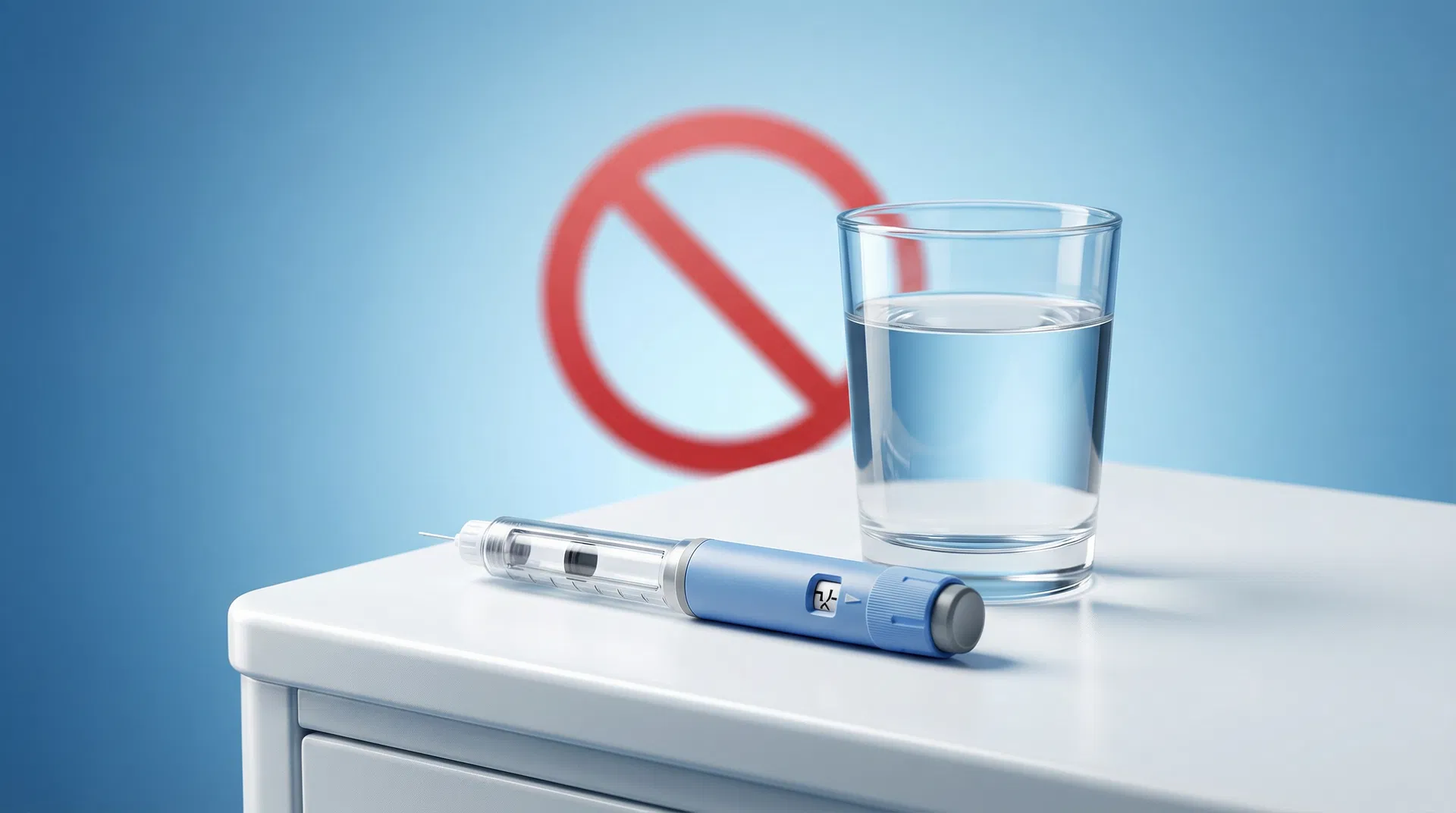
Can You Drink Alcohol on Ozempic? GLP-1 Medications & Alcohol Explained
Read more →Top Drug Comparisons
Side-by-side analyses of the most commonly compared medication pairs.
Atorvastatin vs. Simvastatin: Comparing Two Common Cholesterol Medications
Atorvastatin (Lipitor) and simvastatin (Zocor) are both statin medications used to lower high cholesterol and reduce the risk of heart disease. Patients often compare these drugs due to their similar purpose, but they have differences in potency, dosing, and potential interactions.
Compare →Atorvastatin vs. Rosuvastatin (Lipitor vs. Crestor): Which Statin Is Better?
Atorvastatin (Lipitor) and rosuvastatin (Crestor) are the two most prescribed statins in the world. Both are high-potency statins that reduce LDL cholesterol by 40–55% at standard doses, but rosuvastatin is roughly 2x more potent mg-for-mg. The critical practical difference is cost: atorvastatin has been generic since 2011 and costs as little as $7.48/month with a GoodRx coupon. Rosuvastatin only became widely generic in 2023 and still costs $14–$20/month. For most patients, atorvastatin is the first-line choice. Rosuvastatin is preferred when maximum LDL reduction is needed or when atorvastatin causes muscle side effects.
Compare →Lisinopril vs. Losartan: Comparing ACE Inhibitors and ARBs for Blood Pressure
Lisinopril and Losartan are both common prescription medications used to treat high blood pressure, heart failure, and protect the heart. While they achieve similar goals, they belong to different drug classes and have distinct mechanisms of action and side effect profiles. This guide will help you understand their key differences.
Compare →Browse by Drug Class
Explore all 21 drug classes — mechanism of action, member drugs, and cost comparisons.
Cheapest Generic Drugs
Common medications available as low-cost generics — often under $10/month with coupons.
Metformin Hydrochloride
Metformin Hydrochloride
$4-$25/month
Lisinopril
Prinivil
$4–$15/month
Atorvastatin
Lipitor
$4–$25/month
Levothyroxine Sodium
Synthroid
$10–$30/month
Gabapentin
Neurontin
$15–$40/month
Omeprazole
Prilosec
$4–$25/month
Pantoprazole
Protonix
$10–$30/month
Sertraline Hydrochloride
Sertraline hydrochloride
$10–$50/month
Amlodipine Besylate
Amlodipine Besylate
$4–$25/month
Losartan Potassium
Cozaar
$4–$15/month
Top 50 Most Prescribed Medications
Common dosages & current prices via RxGo
Get the RxGo app — free prescription discounts on the go
Works at 67,000+ pharmacies · No membership needed
Drug Interaction Checker
Taking multiple medications? Check for potentially dangerous drug-drug interactions before combining prescriptions. Our database covers 256 drugs with clinically reviewed interaction data.
Featured Medication Guides
In-depth guides for the most commonly prescribed drug classes — written for patients, reviewed by pharmacists.
Statins Explained: Which One Is Right for You?
A complete guide to atorvastatin, rosuvastatin, simvastatin, and the rest — how they work, side effects, and how to choose.
9 min read →Most Read Guides
- 1
Gabapentin Complete Guide
Neurology & Pain - 2
Statins Explained
Heart & Blood Pressure - 3
Levothyroxine Complete Guide
Thyroid - 4
Lisinopril Side Effects & Cough
Heart & Blood Pressure - 5
Mounjaro vs Ozempic
GLP-1 & Weight Loss - 6
Omeprazole vs Pantoprazole
Digestive Health - 7
Metoprolol vs Carvedilol
Heart & Blood Pressure - 8
Atorvastatin vs Rosuvastatin
Heart & Blood Pressure
From the RxGuide Blog
In-depth medication guides, side effect explainers, and treatment decision resources — reviewed by licensed pharmacists.
The 25 Most Prescribed Drugs in America — and What They Cost Without Insurance
More than 6.6 billion prescriptions are filled in the United States every year. For the millions of Americans who are uninsured or underinsured, the sticker price at the pharmacy can be shocking. We analyzed the 25 most prescribed drugs and what they actually cost — with and without a discount card.
Lisinopril Dosage Guide: How Much Should You Take?
Lisinopril dosing varies significantly depending on whether you are treating hypertension, heart failure, or post-heart attack recovery. Here is a complete dosage reference for each indication.
Antidepressants During Pregnancy: Risks, Benefits, and What to Do
Depression during pregnancy is common and undertreated. But are antidepressants safe for the baby? Here is an evidence-based guide to the risks and benefits of SSRIs and other antidepressants during pregnancy.
Metformin Dosage Guide: Starting Dose, Maximum Dose, and How to Titrate
Metformin dosing is not one-size-fits-all. Starting at the right dose and titrating slowly is the key to minimizing GI side effects. Here is a complete dosage reference for type 2 diabetes and other uses.
Atorvastatin Dosage Guide: 10 mg vs 20 mg vs 40 mg vs 80 mg
Atorvastatin comes in four doses: 10, 20, 40, and 80 mg. The right dose depends on your LDL target, cardiovascular risk, and tolerability. Here is how to choose and what to expect at each dose.
Gabapentin for Anxiety: Does It Work?
Gabapentin is increasingly prescribed off-label for anxiety disorders. But is it effective? Here is what the evidence says about gabapentin for generalized anxiety, social anxiety, and panic disorder.
Heart & Blood Pressure Guides
View allWhy Clinicians and Patients Trust RxGuide
Built on FDA data, reviewed by licensed pharmacists, written for real people.
Pharmacist Reviewed
All drug information is reviewed and approved by licensed PharmDs and clinical pharmacists before publication.
FDA & RxNorm Sources
Content sourced directly from FDA drug labels, RxNorm, and DailyMed — the same databases used by healthcare professionals.
Plain Language
Complex medical information translated into clear, understandable language for patients, caregivers, and students.
256
Drugs covered
103
Drug comparisons
21
Drug classes